


The Middle East has transformed dramatically over the last few decades. What was once largely associated with oil wealth has evolved into a region filled with financial hubs, global tourism centers, and cities competing with the world’s biggest economic powerhouses.
Today, some Middle Eastern cities are home to skyscrapers, billion-dollar industries, world-class infrastructure, and lifestyles that attract investors and entrepreneurs from every continent. Yet, each city tells a different story. Some built their fortunes on energy, while others reinvented themselves through tourism, finance, technology, and innovation.
Here are the 10 richest cities in the Middle East that continue to shape the future of the region.
1. Dubai, United Arab Emirates
Few cities have experienced a transformation as remarkable as Dubai.
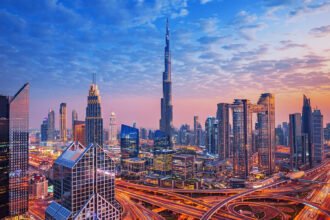
From a modest trading port to one of the world’s most recognizable luxury destinations, Dubai has become a symbol of ambition. Its economy stretches far beyond oil, with strong sectors in tourism, aviation, finance, real estate, and technology.
What makes Dubai stand out is its ability to constantly reinvent itself. From iconic skyscrapers to futuristic developments, the city continues attracting millionaires, investors, and global corporations.
Why it stands out
- Major international business hub
- Strong tourism industry
- Luxury lifestyle and world-class infrastructure
- Gateway connecting East and West
2. Riyadh, Saudi Arabia
Saudi Arabia’s capital is experiencing one of the biggest economic transformations in the world.
Driven by Vision 2030, Riyadh has emerged as a center for investment, banking, and large-scale infrastructure projects. Global companies are increasingly establishing regional headquarters here, boosting the city’s influence.
Massive developments and growing private sector opportunities are helping Riyadh become one of the richest cities in the Middle East.
Why it stands out
- Financial center of Saudi Arabia
- Rapid urban development
- Growing technology and business sectors
- Strong government investments
3. Abu Dhabi, United Arab Emirates
Abu Dhabi quietly commands enormous wealth.
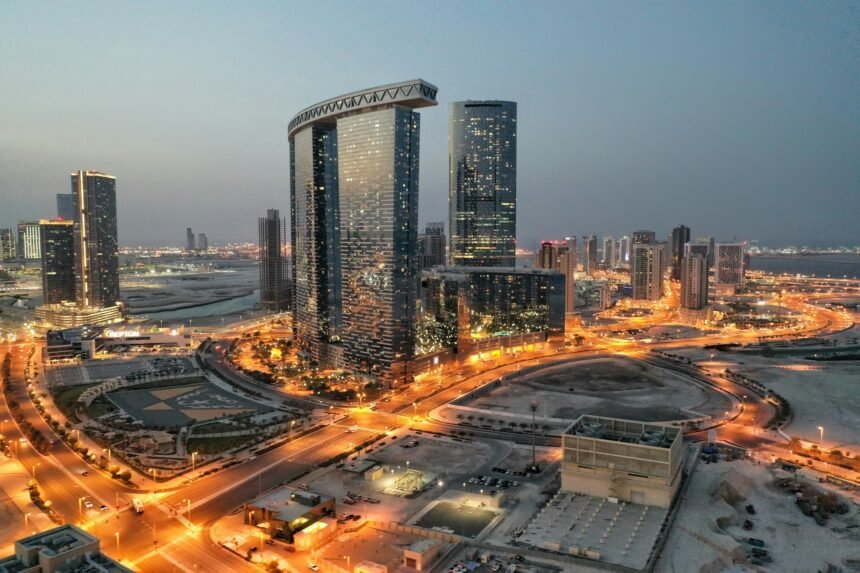
Home to vast oil reserves and some of the world’s largest sovereign wealth funds, the UAE capital balances financial power with cultural growth. Museums, renewable energy projects, and luxury tourism have added new dimensions to the city’s economy.
Its approach focuses on long-term sustainability rather than short-term expansion.
Why it stands out
- Massive sovereign wealth assets
- Energy and renewable industries
- Stable investment environment
- Premium quality of life
4. Doha, Qatar
Doha’s rise has been nothing short of impressive.
Fueled by natural gas revenues, Qatar’s capital has invested heavily in infrastructure, aviation, education, and tourism. Hosting major international events elevated Doha’s profile on the world stage.
Today, sleek skylines and ambitious projects reflect the city’s growing economic importance.
Why it stands out
- Natural gas wealth
- Strong infrastructure development
- Expanding tourism sector
- High standard of living
5. Kuwait City, Kuwait
Kuwait City has long been one of the Gulf’s financial pillars.
Its economy is strongly supported by oil exports, while banking and investment sectors continue contributing to growth. Despite maintaining a relatively calm image compared with some neighboring cities, Kuwait City remains one of the wealthiest capitals in the region.
Why it stands out
- Strong oil revenues
- Established banking industry
- High income levels
- Stable economy
6. Jeddah, Saudi Arabia
Located along the Red Sea coast, Jeddah combines commerce with culture.
As Saudi Arabia’s main gateway for pilgrims traveling to Makkah, the city enjoys constant economic activity. Its ports, tourism sector, and growing entertainment projects are helping diversify local wealth.
The city is also becoming increasingly attractive to international investors.
Why it stands out
- Major commercial port
- Tourism and religious travel
- Strategic location
- Growing infrastructure projects
7. Manama, Bahrain
Although smaller than many regional capitals, Manama punches far above its weight.
Bahrain established itself as a banking center decades ago, making Manama one of the Gulf’s most mature financial destinations. The city continues attracting companies involved in fintech and financial services.
Why it stands out
- Advanced financial sector
- Growing fintech ecosystem
- Business-friendly regulations
- Strategic Gulf location
8. Muscat, Oman
Muscat offers a different kind of prosperity.
Instead of rapid expansion, Oman has pursued balanced growth. The capital has focused on tourism, logistics, trade, and sustainable development while preserving its cultural identity.
Its stability and natural beauty make it increasingly attractive for investment and high-end tourism.
Why it stands out
- Strategic maritime location
- Expanding tourism industry
- Sustainable growth model
- Rich heritage and culture
9. Tel Aviv, Israel
Tel Aviv is often called the Silicon Valley of the Middle East.
Innovation drives much of its wealth. Startups, technology firms, venture capital investments, and research institutions have turned the city into a global innovation powerhouse.
Its entrepreneurial spirit continues to attract talent from around the world.
Why it stands out
- Thriving startup ecosystem
- Technology and innovation hub
- High investment activity
- Global reputation for entrepreneurship
10. Beirut, Lebanon
Despite economic challenges, Beirut remains one of the Middle East’s most historically important commercial cities.
Its resilience, entrepreneurial culture, and strong diaspora connections have helped preserve its significance. Tourism, finance, and trade have long been central to Beirut’s identity, and many experts believe its long-term potential remains substantial.
Why it stands out
- Rich commercial history
- Entrepreneurial culture
- Strategic Mediterranean location
- Strong international connections
Final Takeaway
The richest cities in the Middle East reveal how diverse prosperity has become across the region. While oil and natural gas laid the foundations for many economies, today’s success stories are increasingly driven by finance, tourism, technology, logistics, and innovation.
Dubai dazzles with its global ambitions, Riyadh is transforming at remarkable speed, Abu Dhabi commands immense financial strength, and cities like Tel Aviv and Manama prove that innovation can be just as valuable as natural resources.
As the Middle East continues evolving, these cities are not only shaping regional economies but also redefining what modern prosperity looks like for the world.
Do follow us on Instagram.
Read More – Best High-Paying Careers in the Gulf for Long-Term Success