




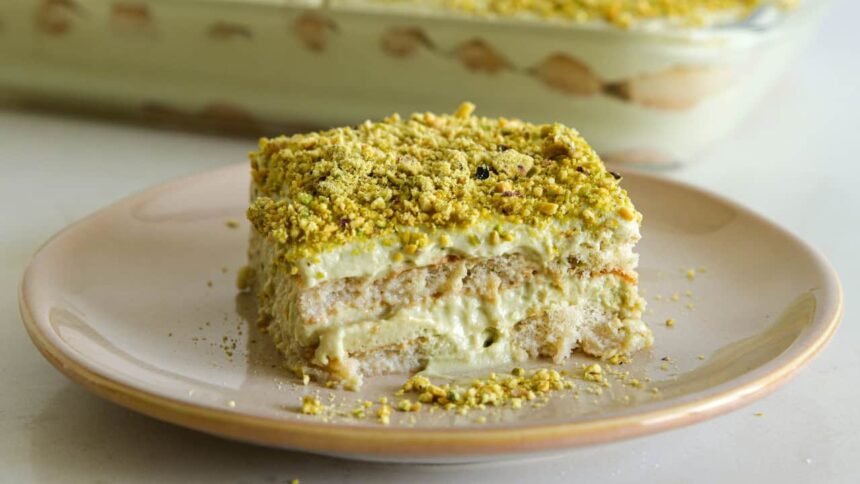
Qatar’s culinary heritage extends far beyond its famous machboos and grilled meats. Hidden within the bustling alleys of traditional souqs and served during family gatherings, religious celebrations, and special occasions, Qatari desserts offer a fascinating glimpse into the country’s rich cultural identity. Influenced by Bedouin traditions, Indian spices, Persian flavors, and Arabian hospitality, traditional desserts in Qatar are deeply rooted in history and community.
- 1. Sago: Qatar’s Beloved Sweet Saffron Pudding
- 2. Luqaimat: The Crispy Sweet Dumplings Everyone Loves
- 3. Balaleet: The Sweet and Savory Breakfast Dessert
- 4. Khanfaroosh: The Fragrant Fried Cake of the Gulf
- 5. Assidah: Qatar’s Traditional Comfort Dessert
- 6. Muhallabia: The Creamy Rose-Scented Milk Pudding
- 7. Date Halwa: Celebrating Qatar’s Most Important Fruit
- 8. Khabeesa: The Royal Dessert of Arabian Hospitality
- 9. Basbousa: The Semolina Cake Loved Across Qatar
- 10. Umm Ali: The Ultimate Arabian Bread Pudding Experience
- Conclusion
Whether you’re exploring the vibrant streets of Doha, visiting heritage markets, or dining at traditional restaurants, tasting authentic Qatari sweets is one of the best ways to experience local culture. From saffron-infused puddings to crispy pastries drizzled with date syrup, these desserts reflect centuries of trade, tradition, and celebration.
Here are 10 traditional desserts of Qatar that every traveler and food lover should try.
1. Sago: Qatar’s Beloved Sweet Saffron Pudding
Among the most cherished traditional desserts in Qatar, sago pudding occupies a special place in local households. Made from tapioca pearls cooked slowly with sugar, saffron, cardamom, and rose water, this dessert creates a rich, aromatic experience unlike anything else.
The distinctive golden color comes from premium saffron, while the texture remains soft, chewy, and comforting. Sago is especially popular during Ramadan and Eid celebrations.
Visitors looking to try authentic sago can often find it at traditional eateries around the historic Souq Waqif in Doha, where several family-run restaurants serve homemade versions.
Interesting fact: Sago entered Gulf cuisine through centuries of maritime trade routes connecting Arabia, India, and Southeast Asia.
2. Luqaimat: The Crispy Sweet Dumplings Everyone Loves

No discussion of Qatari desserts is complete without Luqaimat. These golden, bite-sized fried dumplings are crispy on the outside and soft on the inside, making them one of the most beloved desserts throughout the Gulf.
Traditionally prepared during Ramadan, Luqaimat is drizzled with date syrup, honey, or saffron syrup and often sprinkled with sesame seeds.
Some of the best places to try fresh Luqaimat include traditional cafes in Souq Waqif and heritage restaurants in the Katara Cultural Village.
Why people search for it: Many travelers consider Luqaimat the “Qatari doughnut,” though its flavor profile is uniquely Arabian.
3. Balaleet: The Sweet and Savory Breakfast Dessert
Balaleet occupies a fascinating space between breakfast and dessert. This traditional Qatari dish consists of vermicelli noodles cooked with sugar, cardamom, saffron, and rose water, typically topped with a thin egg omelet.
The combination of sweet and savory flavors surprises many first-time visitors, yet it perfectly represents Gulf culinary traditions.
You can experience authentic Balaleet at traditional breakfast restaurants throughout Doha, particularly near the scenic The Pearl-Qatar and the Corniche waterfront.
Local insight: Balaleet is often served during Eid mornings and family celebrations across Qatar.
4. Khanfaroosh: The Fragrant Fried Cake of the Gulf
Khanfaroosh is one of Qatar’s oldest traditional sweets, prepared using flour, yeast, eggs, sugar, saffron, cardamom, and rose water.
These small fried cakes possess a soft interior and aromatic flavor that reflects the spice trade history of the Arabian Peninsula. Their distinctive scent often fills traditional markets during religious festivals and family celebrations.
Travelers visiting the heritage areas of Doha, especially around Msheireb Downtown Doha, may encounter specialty bakeries offering freshly prepared Khanfaroosh.
Interesting fact: Many Qatari families preserve their own secret Khanfaroosh recipes, passing them down through generations.
5. Assidah: Qatar’s Traditional Comfort Dessert
Assidah is a simple yet deeply comforting dessert made from flour, butter, sugar, and aromatic spices. Its smooth, porridge-like consistency has made it a favorite during cooler months and family gatherings.
Several regional variations exist throughout the Gulf, but Qatari Assidah often incorporates saffron and cardamom for additional fragrance.
Visitors interested in traditional Qatari cuisine can sample Assidah at cultural events hosted in Katara Cultural Village, where heritage food festivals frequently showcase authentic local dishes.
Search-worthy tip: Assidah is considered one of the oldest surviving desserts in Arabian cuisine.
6. Muhallabia: The Creamy Rose-Scented Milk Pudding

Muhallabia is a silky milk pudding flavored with rose water, cardamom, and often garnished with pistachios or almonds. While enjoyed throughout the Middle East, the Qatari version emphasizes delicate floral flavors and creamy textures.
This elegant dessert appears regularly at weddings, Ramadan gatherings, and festive occasions.
Excellent versions can be found in traditional restaurants throughout Doha, especially around luxury hospitality districts near The St. Regis Doha and the waterfront promenade of Doha Corniche.
Local insight: Muhallabia dates back over a thousand years and remains one of the Arab world’s most enduring desserts.
7. Date Halwa: Celebrating Qatar’s Most Important Fruit
Dates have always been central to Gulf culture, making Date Halwa one of Qatar’s most culturally significant desserts.
Prepared using premium dates, clarified butter, spices, and sometimes nuts, this rich confection delivers intense sweetness balanced by warm aromatic flavors. Date Halwa frequently accompanies Arabic coffee during hospitality rituals.
Traditional sweet shops around Souq Waqif remain among the best places to discover authentic versions.
Interesting fact: Qatar imports and cultivates dozens of date varieties, many of which appear in traditional desserts.
8. Khabeesa: The Royal Dessert of Arabian Hospitality
Khabeesa is a luxurious dessert prepared from flour, butter, sugar, cardamom, saffron, and rose water. Its rich texture resembles a sweet semolina pudding, although recipes vary between families.
Historically served to honored guests and during celebrations, Khabeesa continues to symbolize generosity and hospitality throughout Qatar.
Visitors exploring cultural exhibitions at National Museum of Qatar may encounter demonstrations of traditional Qatari culinary heritage, including Khabeesa preparation.
Did you know? The generous use of saffron once made Khabeesa a dessert associated with wealth and prestige.
9. Basbousa: The Semolina Cake Loved Across Qatar
Although Basbousa is popular throughout the Middle East, it has become a staple dessert in Qatar. Made from semolina, butter, yogurt, and sugar syrup, it offers a moist texture and rich flavor.
Qatari variations often incorporate rose water, coconut, or saffron, creating a local interpretation of this regional favorite.
You can find excellent Basbousa at bakeries and traditional cafes throughout Doha, particularly near shopping destinations like Villaggio Mall and Place Vendôme Mall.
Search insight: Basbousa remains one of the most searched Middle Eastern desserts worldwide.
10. Umm Ali: The Ultimate Arabian Bread Pudding Experience
Umm Ali, a rich bread pudding dessert prepared with pastry, milk, nuts, raisins, and cream, has become one of the most beloved desserts served throughout Qatar.
Usually enjoyed warm, this comforting dessert appears on menus ranging from traditional restaurants to luxury hotels across the country.
Travelers staying in luxury properties around Lusail and Doha’s West Bay district frequently encounter premium versions featuring pistachios, almonds, and fresh cream.
Interesting fact: According to popular folklore, Umm Ali originated in medieval Egypt before becoming a beloved dessert across the Arab world.
Conclusion
Traditional Qatari desserts offer far more than sweetness—they tell stories of ancient trade routes, family traditions, Arabian hospitality, and cultural identity. Whether you’re wandering through the vibrant alleys of Souq Waqif, exploring Katara Cultural Village, or dining in Doha’s finest restaurants, tasting these authentic desserts provides one of the most memorable and delicious ways to experience Qatar’s rich heritage.
Do follow us on Instagram.
Read More – UAE Ranked Among World’s Top 5 Most Competitive Economies in 2026